

Chimney Rebuilds
Full and partial chimney rebuilds: deteriorated stacks torn down to sound masonry and rebuilt with new brick, cast crowns and stainless caps.
Learn More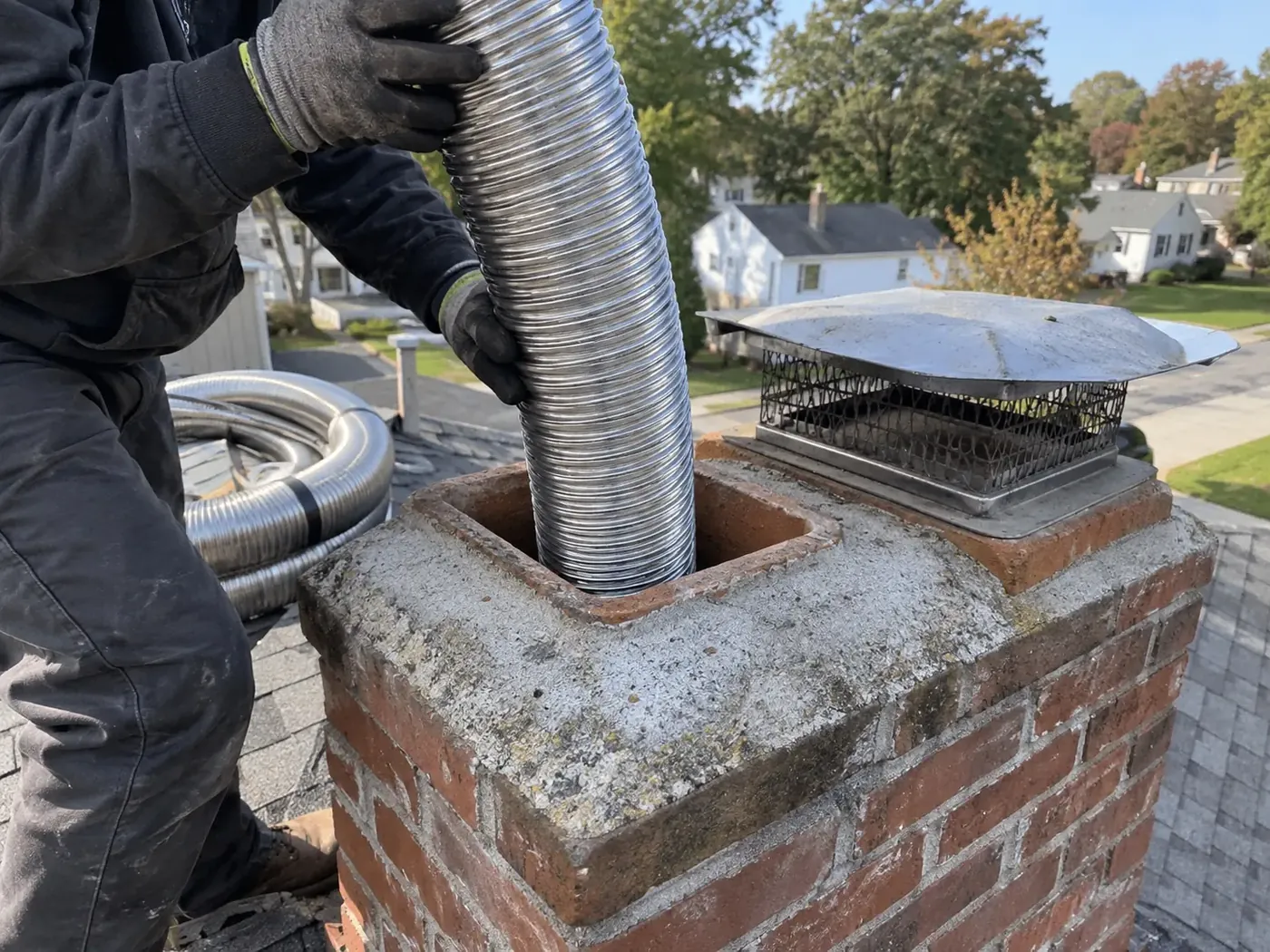
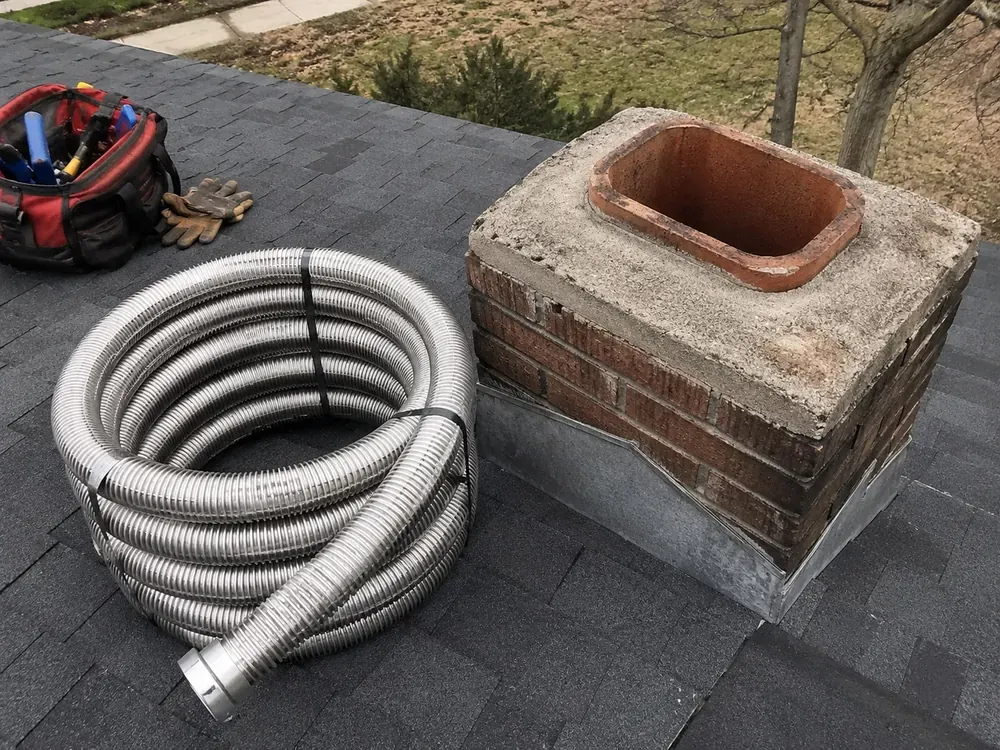
Chimney liner installation in Minneapolis puts a new stainless steel flue inside an existing masonry chimney. The chimney liner carries exhaust from a furnace, boiler, water heater or fireplace insert up and out of the building. We reline chimneys with listed stainless steel systems sized to the appliance that vents through them. Cracked or missing clay flue liners get replaced with a stainless system, and a cap goes on top. Crowns, joints, brick and leaks belong to our chimney repair work. We plan that masonry for the same visit as the liner.
Liner calls often start with a change in the basement. A new furnace goes in, and the water heater is left alone on the old chimney. Other callers find pieces of clay tile at the cleanout, or hold a home inspection report that flags the flue. We come out, look at the chimney top and the appliances below, and photograph what we find. You get a written scope before any liner is ordered. If the brick is loose or the stack leans, relining will not save it. That stack needs a chimney rebuild instead.
Tell us about your project and we’ll get right back to you.
About 4 in 10 Minneapolis housing units date from before 1940. The Census Bureau's 2024 American Community Survey counts 87,975 of the city's 216,155 units in that group. The Minnesota Residential Code says masonry chimneys shall be lined. The lining has to suit the appliance connected to it. A clay flue liner with cracked, shifted or missing tiles leaves gaps in that lining. We look down the flue from the top and photograph the tiles we can see. When the clay has failed, chimney liner replacement in stainless steel is the fix we quote.
A furnace swap can leave a flue too big for what is left on it. When a furnace or boiler comes off an old chimney, the water heater may end up venting alone. A Minneapolis Department of Inspections handout quotes the state mechanical code on this. It says the chimney shall be resized as needed to control flue gas condensation and give the appliance its draft. The handout also gives a simple sizing rule. A single appliance with a 3 inch draft hood cannot connect to a chimney flue larger than 6 inches round. Chimney relining with a smaller stainless liner is how we resize it.
Sizing starts with the appliance. The residential code says a chimney flue cannot be smaller in area than the connector from the appliance. The lining also follows the appliance listing and the manufacturer's instructions. Lining for gas appliances follows the code's fuel gas chapter. So we note every appliance on the flue, then measure each connector and the old flue. The code allows clay flue lining that meets ASTM C315. It also allows listed and labeled lining systems that meet UL 1777. Every stainless steel chimney liner we install is a listed system sized to its appliance.
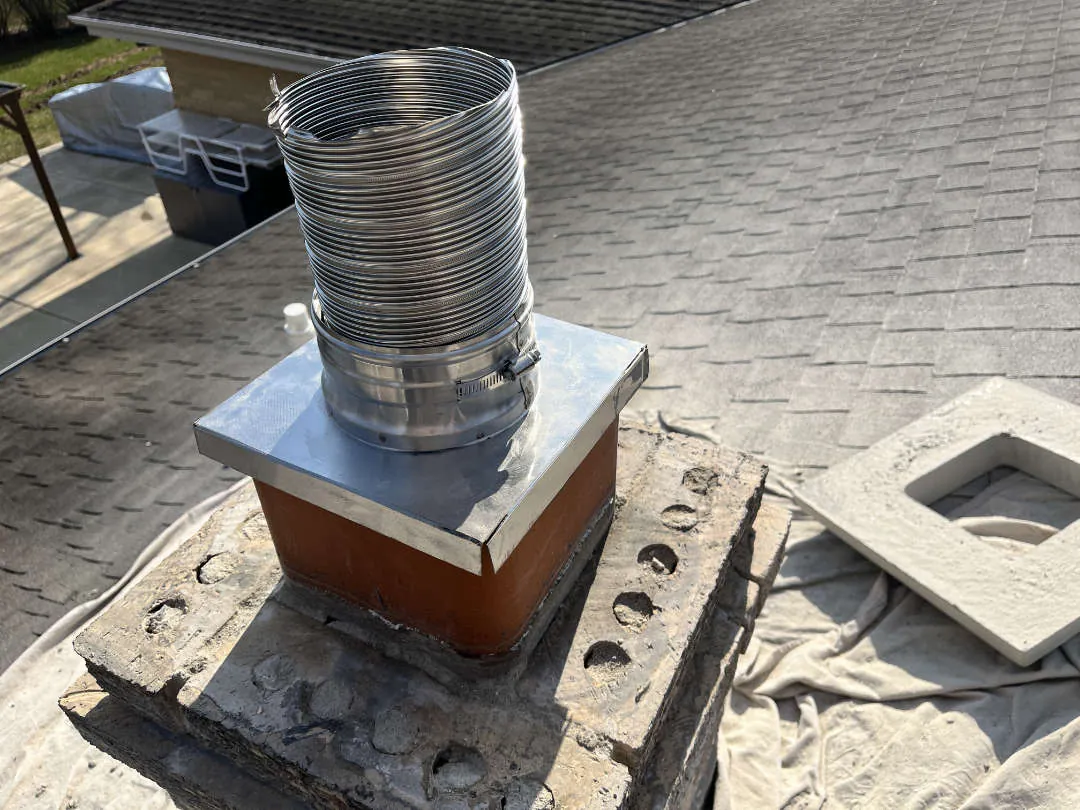
On install day the crew works from the roof. The stainless liner goes down the old flue from the top to the base of the chimney. Then a cap goes on, every time. The U.S. Fish and Wildlife Service says a metal-lined chimney should be capped. Without a cap, birds and other wildlife can get trapped inside. The cap also keeps rain and snow out of the new flue. Cap styles and multi-flue covers are on our chimney cap installation page.
A masonry chimney that vents nothing is a different case. Chimney swifts nest in masonry chimneys, and they are protected by the Migratory Bird Treaty Act. The U.S. Fish and Wildlife Service tells owners keeping a chimney for swifts not to line it with metal. Metal is far too slippery for swifts to cling to. Where a home still needs to vent an appliance, the agency's advice is a separate flue or chimney for heating. So when swifts use an empty masonry chimney, we leave it alone.
We plan the job around the birds and the masonry. Swifts arrive in March or April. The agency says to do chimney repairs when swifts are not present. Work over an active nest waits until the birds leave. A liner and cap also need a sound top to sit on. A cracked crown gets chimney crown repair on the same visit, before the cap goes on. One trip up the roof covers both, and you see all of it on one written scope.
Free, no-obligation estimates across Minneapolis and the Twin Cities metro.
(320) 465-1161From the first site visit to the final walk-through, here is how it goes.
We look at the masonry in person: what failed, why, and how far it has spread. On commercial buildings that means getting up on the wall, not a drive-by.
You get a written price and timeline. On larger projects the urgent repairs are separated from the work that can wait, so the budget goes where it is needed first.
Matched materials, full joints, proper crowns, solid bases and drainage. Occupied buildings stay open, the site is protected, and cleanup happens every day.
We walk the finished work with you: joints, brick and mortar matches, cleanup, the whole scope. The job is done when you have seen every part of it and signed off.
Common questions about chimney liners across Minneapolis and the Twin Cities metro. Don't see yours? Give us a call and we will help.
Full and partial chimney rebuilds: deteriorated stacks torn down to sound masonry and rebuilt with new brick, cast crowns and stainless caps.
Learn More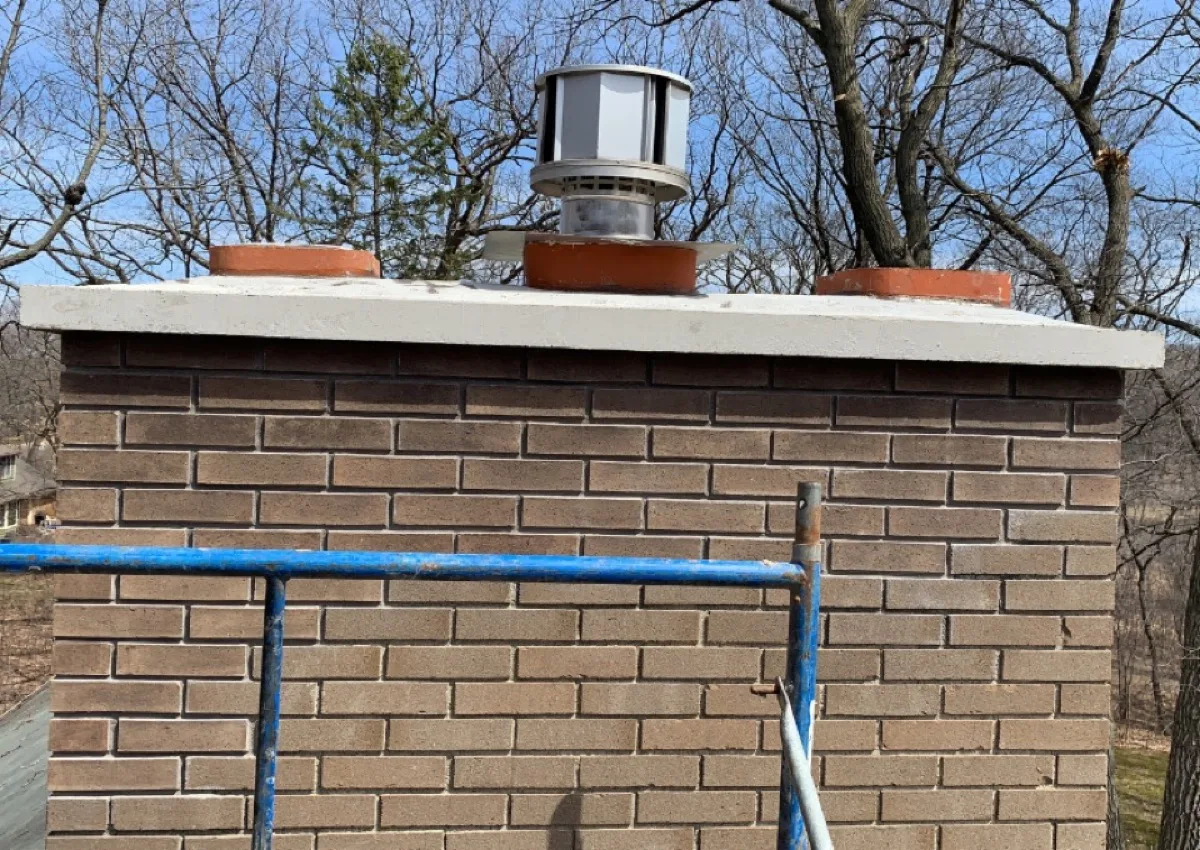
Leak tracing, crown repair, joint repointing, spalled brick replacement and stainless caps, the fixes that stop water before it forces a rebuild.
Learn More
Failed mortar ground out and repointed to match the original on chimneys, houses and full commercial elevations. The fix that saves the wall you already have.
Learn More
Spalled brick cut out and replaced, cracks stitched, bowed sections rebuilt, porch piers and steps restored, matched so the repair does not read as one.
Learn More
Restoration for factories, apartment buildings, churches, schools and storefronts: wall rebuilds, stone and brick repair, parapets and lintels, run by a crew that works occupied properties.
Learn More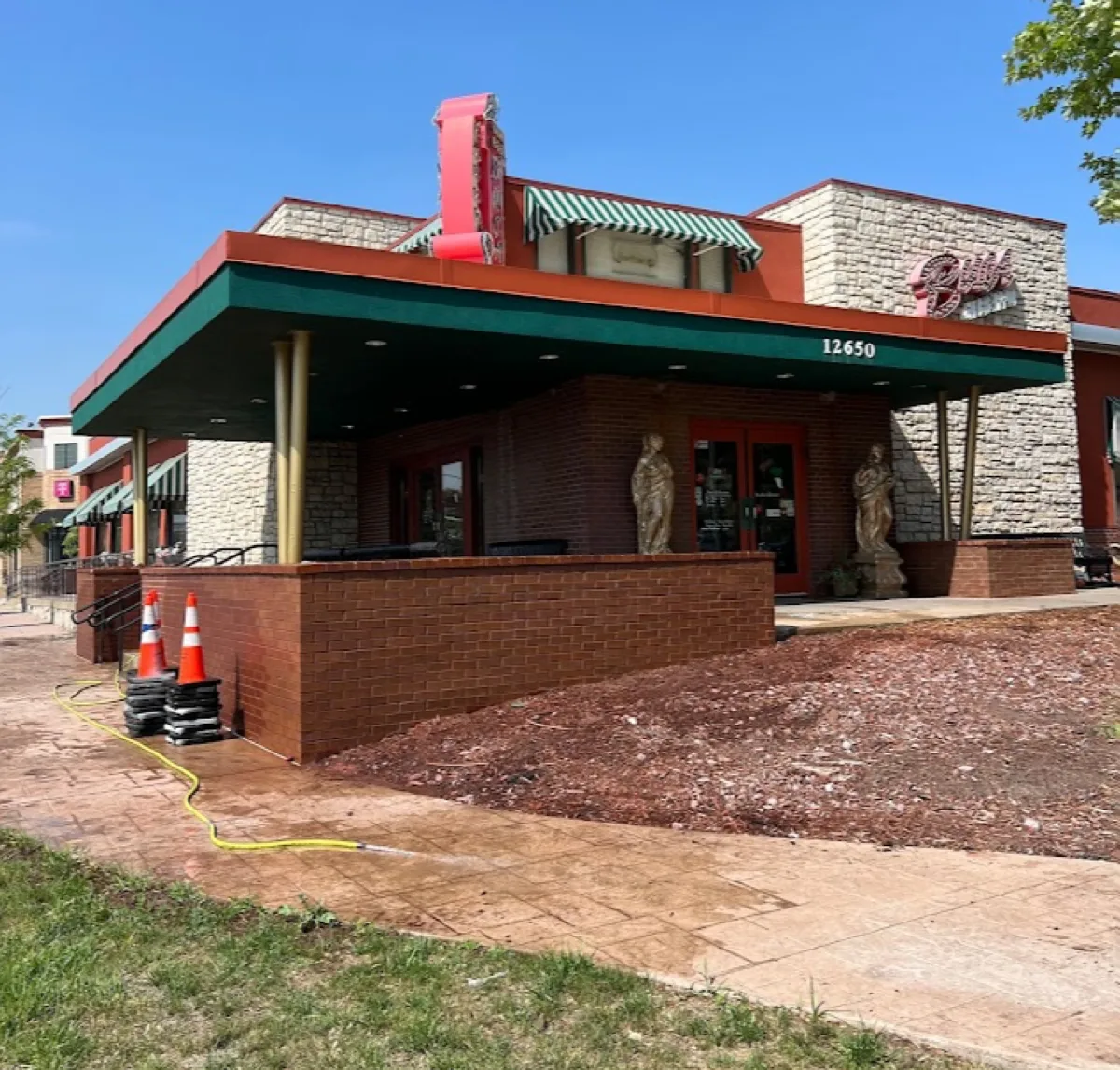
Block and stone retaining walls engineered for Minnesota frost, with proper base, drainage and reinforcement, plus rebuilds of walls that have started to lean.
Learn More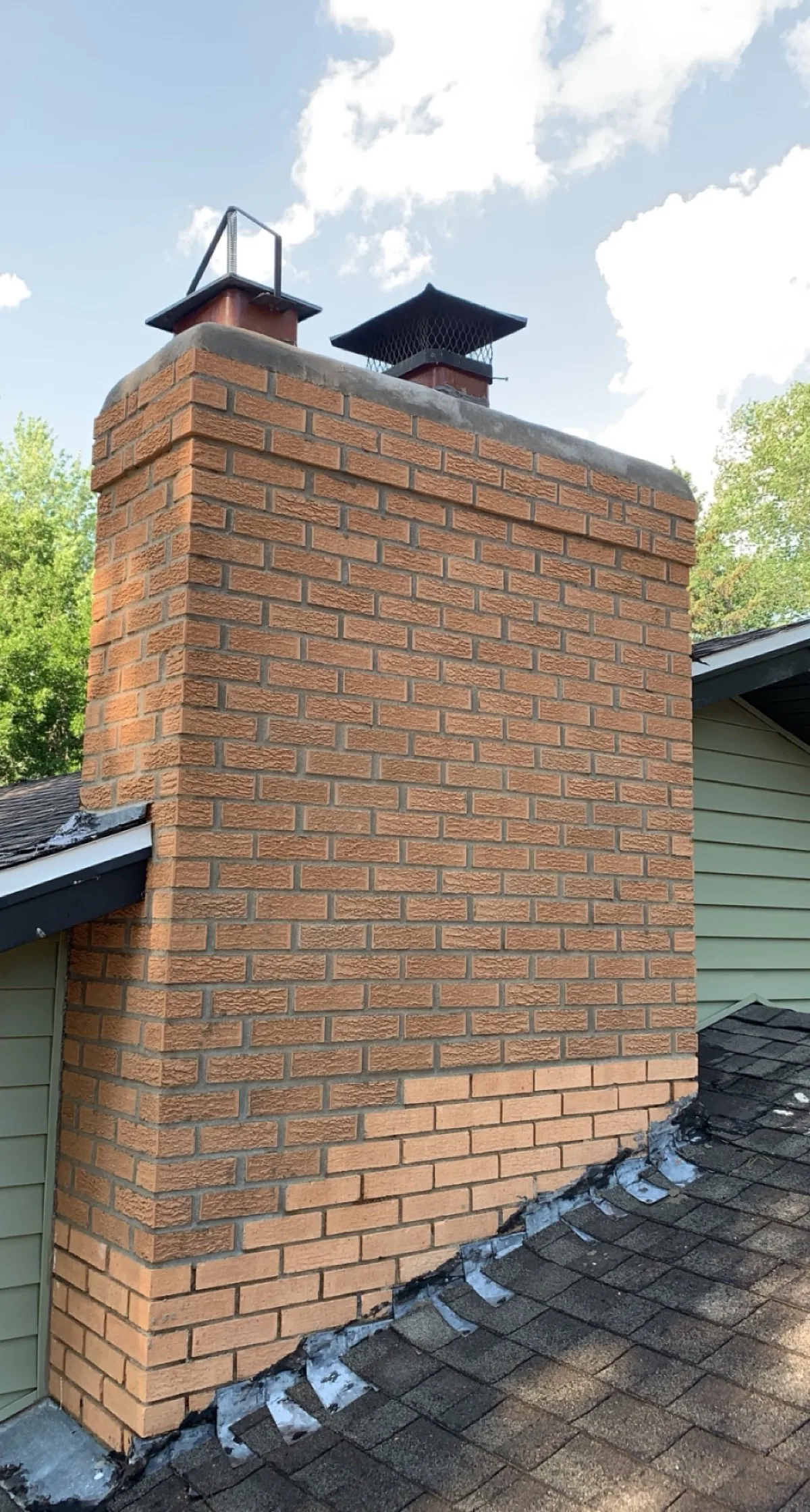
Chimney liner costs by type: stainless steel, cast-in-place and clay ranges, what relining an old flue adds, the Minnesota code rule that masonry chimneys must be lined, and when an older chimney needs one.
Read more →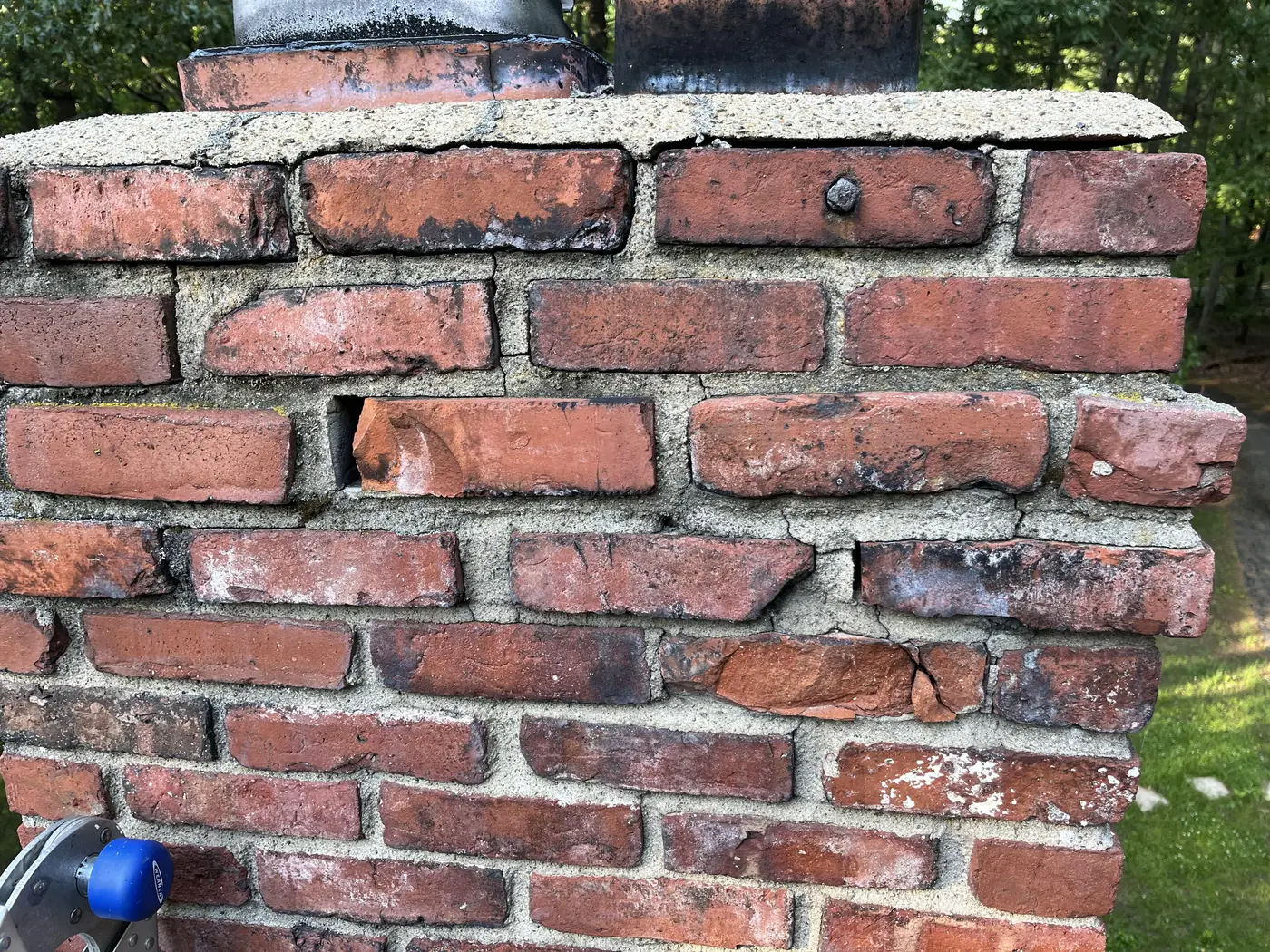
Chimney leak repair cost in Minnesota for 2026, sorted by where the water gets in: crown, cap, flashing, mortar joints, flue condensation and ice dams.
Read more →Chimney rebuilds, repairs and liners, tuckpointing, brick repair and full building restoration. Matched brick, matched mortar, proper crowns and full joints, because that is why masonry lasts.
Freeze-thaw is the enemy of every wall in this state. Crowns that shed, joints struck to drain, air-entrained concrete, drainage behind every wall: details chosen for this climate, not a milder one.
Every estimate is written, with the price, timeline and scope spelled out. On larger projects we separate the urgent repairs from the work that can wait, so owners and property managers can plan the budget.
From a single chimney to an occupied apartment building, church or school. Lifts and scaffolds, site protection and daily cleanup on every job, because the standard does not change with the address.
Have a chimney, wall, set of steps or driveway that needs work? Call or send the form and we will look at the site with you and give you a written quote.
Tell us about your project and we’ll get right back to you.