
Chimney Rebuilds
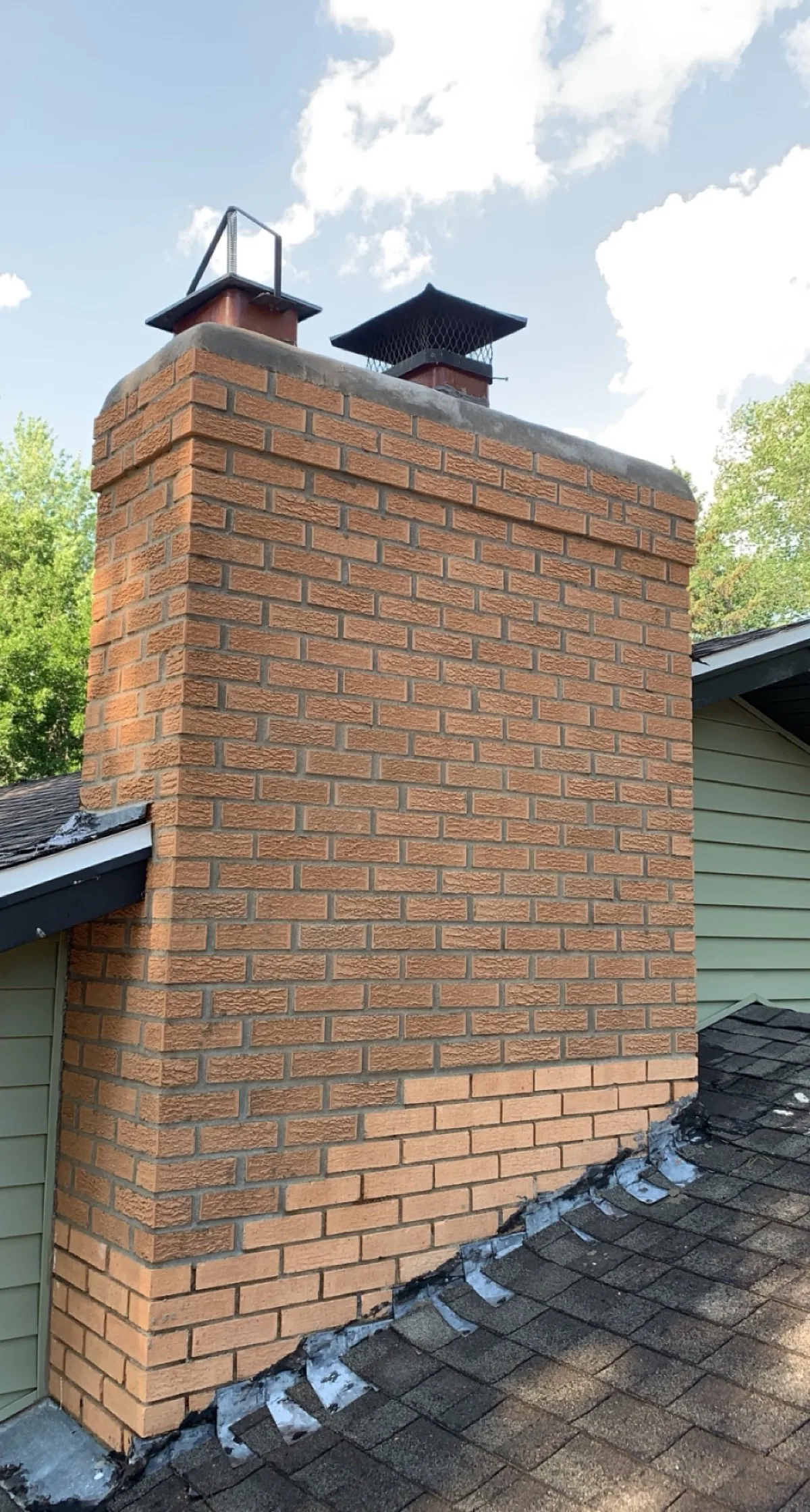
Full and partial chimney rebuilds: deteriorated stacks torn down to sound masonry and rebuilt with new brick, cast crowns and stainless caps.
Learn More
Chimney flashing repair in Minneapolis fixes the thin metal that keeps water out where a masonry chimney meets the roof. When chimney flashing rusts, tears or pulls loose, water can get into the house around the chimney. We repair and replace that metal on brick chimneys across the city. Failed counter flashing comes out of its mortar joint, and a new piece is mortared in its place. Rusted or torn step flashing and base flashing come out, and new pieces go in. This work is one part of our full chimney repair service.
Most flashing calls start with a water stain on a ceiling or wall beside the chimney. Others start with a home inspection report or a loose strip of metal seen from the yard. We come out, get on the roof and photograph the flashing, the joints above it and the crown. You get a written scope before any old metal is cut out. Loose brick at the roof line or a leaning stack is a different job. That chimney needs a rebuild above the roof line, with new flashing set as the brick goes back up.
Tell us about your project and we’ll get right back to you.
Flashing on a masonry chimney comes in layers. Base flashing is the bottom layer. Along each side it is step flashing, short pieces that overlap in steps. Those pieces are woven in under the shingles. Across the front, on the downhill side, the base flashing is often called the apron. Counter flashing is the top layer. Its top edge sits in a mortar joint, and it laps down over the base flashing. The Minnesota Residential Code requires flashing wherever a wall meets a roof and around roof openings.
The Brick Industry Association sets out how the layers fit. Base flashing runs at least 4 inches up the chimney face and at least 4 inches under the roofing. Counter flashing goes 3/4 inch to 1 inch into a mortar joint and is mortared solidly in place. It laps the base flashing by at least 3 inches. On shingle roofs, the state code calls for continuous or step flashing at a sidewall. It must be at least 4 inches high and 4 inches wide. Wide chimneys add a cricket, a small peaked section of roof on the uphill side.
For counter flashing, we cut out the old metal and clean out the mortar joint it sat in. New counter flashing goes back into that joint and is mortared solid. We repoint the open joints around it, so the new metal sits in sound mortar. Along the sides, rusted, torn or loose step flashing comes out and new pieces go in. Base flashing across the front is replaced the same way. Where a chimney has a cricket, we flash and counter flash it to match.
Not every flashing leak needs new metal. Flashing that is sound but lifted at one edge can be resealed or patched. When that will do the job, the scope says so. When new metal goes in, the Minnesota Residential Code calls for corrosion resistant flashing at least 0.019 inch thick. That is the thickness of No. 26 galvanized sheet. On a shingle roof, the code also points chimney flashing to the shingle maker's printed instructions. The Brick Industry Association's chimney guide says to choose quality flashing, since replacing it can be expensive and troublesome.
A wet ceiling beside a chimney does not always mean the flashing failed. A cracked crown, open mortar joints or a winter ice dam can put water in the same spot. So we find the source before we write the scope. About 4 in 10 Minneapolis housing units were built before 1940, the Census Bureau's 2024 survey shows. On homes that old, more than one of these can be letting water in. When the crown is cracked, chimney crown repair goes on the same visit as the new flashing.
Open joints in the brick get chimney tuckpointing, and that can be done on the same trip. A winter ice dam is the third source. University of Minnesota Extension calls an ice dam a ridge of ice that forms at the edge of a roof. Water that backs up behind the dam can leak into a home. That leak can show up near a chimney even when the flashing is sound. When the source is an ice dam or a worn roof, that is roofing work, and the scope says so. When it is the flashing, the scope lists which pieces get replaced and which get resealed.
Free, no-obligation estimates across Minneapolis and the Twin Cities metro.
(320) 465-1161From the first site visit to the final walk-through, here is how it goes.
We look at the masonry in person: what failed, why, and how far it has spread. On commercial buildings that means getting up on the wall, not a drive-by.
You get a written price and timeline. On larger projects the urgent repairs are separated from the work that can wait, so the budget goes where it is needed first.
Matched materials, full joints, proper crowns, solid bases and drainage. Occupied buildings stay open, the site is protected, and cleanup happens every day.
We walk the finished work with you: joints, brick and mortar matches, cleanup, the whole scope. The job is done when you have seen every part of it and signed off.
Common questions about chimney flashing across Minneapolis and the Twin Cities metro. Don't see yours? Give us a call and we will help.
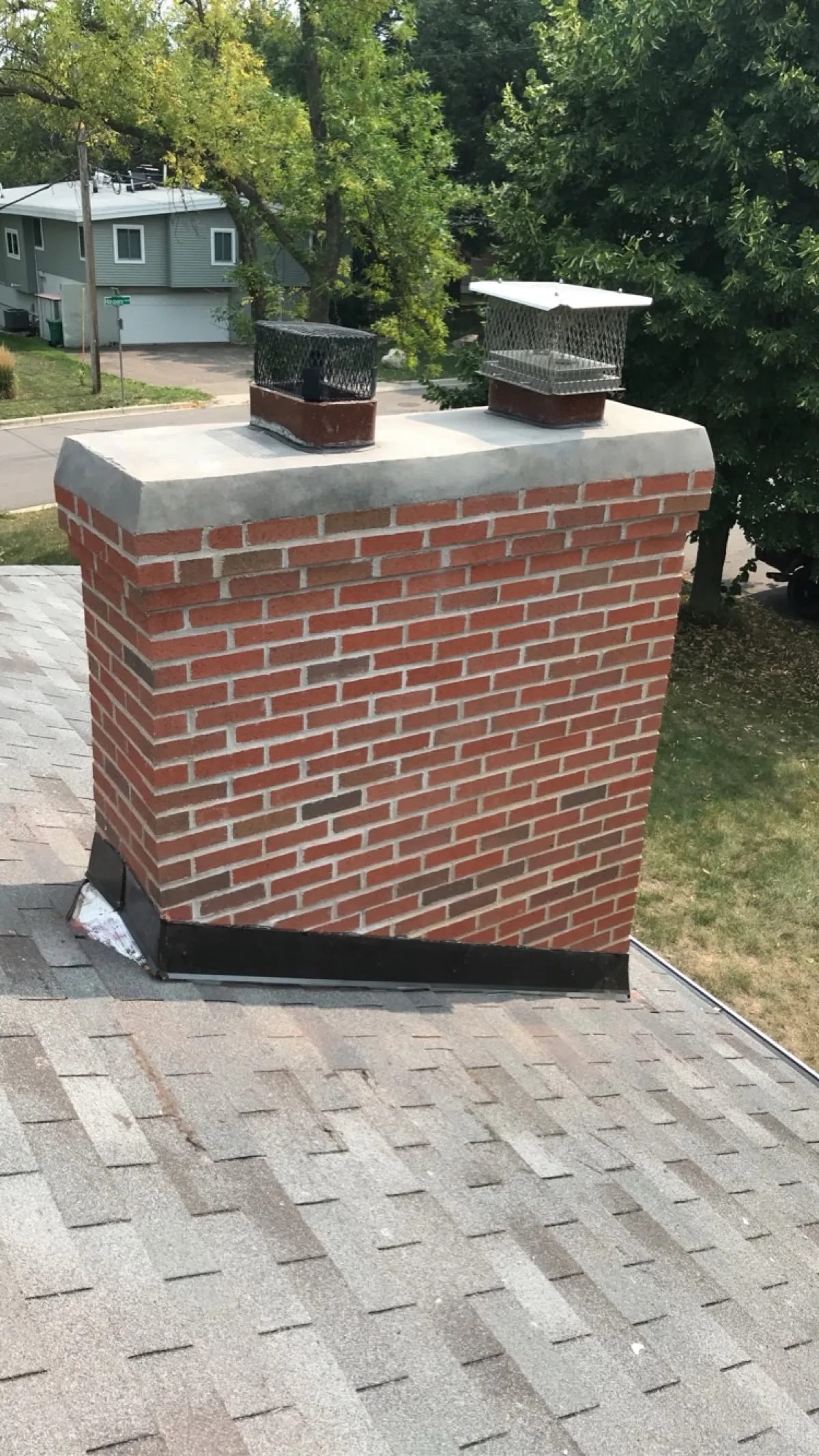
Full and partial chimney rebuilds: deteriorated stacks torn down to sound masonry and rebuilt with new brick, cast crowns and stainless caps.
Learn More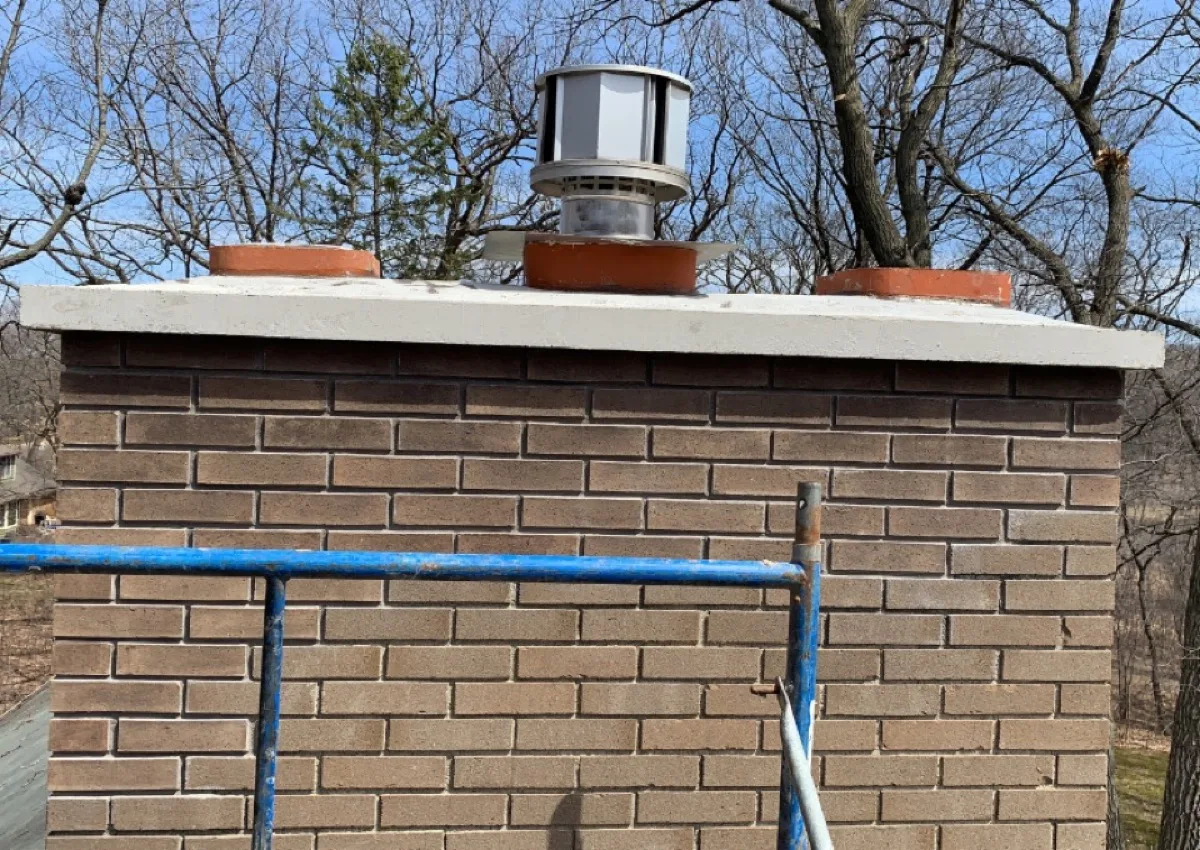
Leak tracing, crown repair, joint repointing, spalled brick replacement and stainless caps, the fixes that stop water before it forces a rebuild.
Learn More
Failed mortar ground out and repointed to match the original on chimneys, houses and full commercial elevations. The fix that saves the wall you already have.
Learn More
Spalled brick cut out and replaced, cracks stitched, bowed sections rebuilt, porch piers and steps restored, matched so the repair does not read as one.
Learn More
Restoration for factories, apartment buildings, churches, schools and storefronts: wall rebuilds, stone and brick repair, parapets and lintels, run by a crew that works occupied properties.
Learn More
Block and stone retaining walls engineered for Minnesota frost, with proper base, drainage and reinforcement, plus rebuilds of walls that have started to lean.
Learn More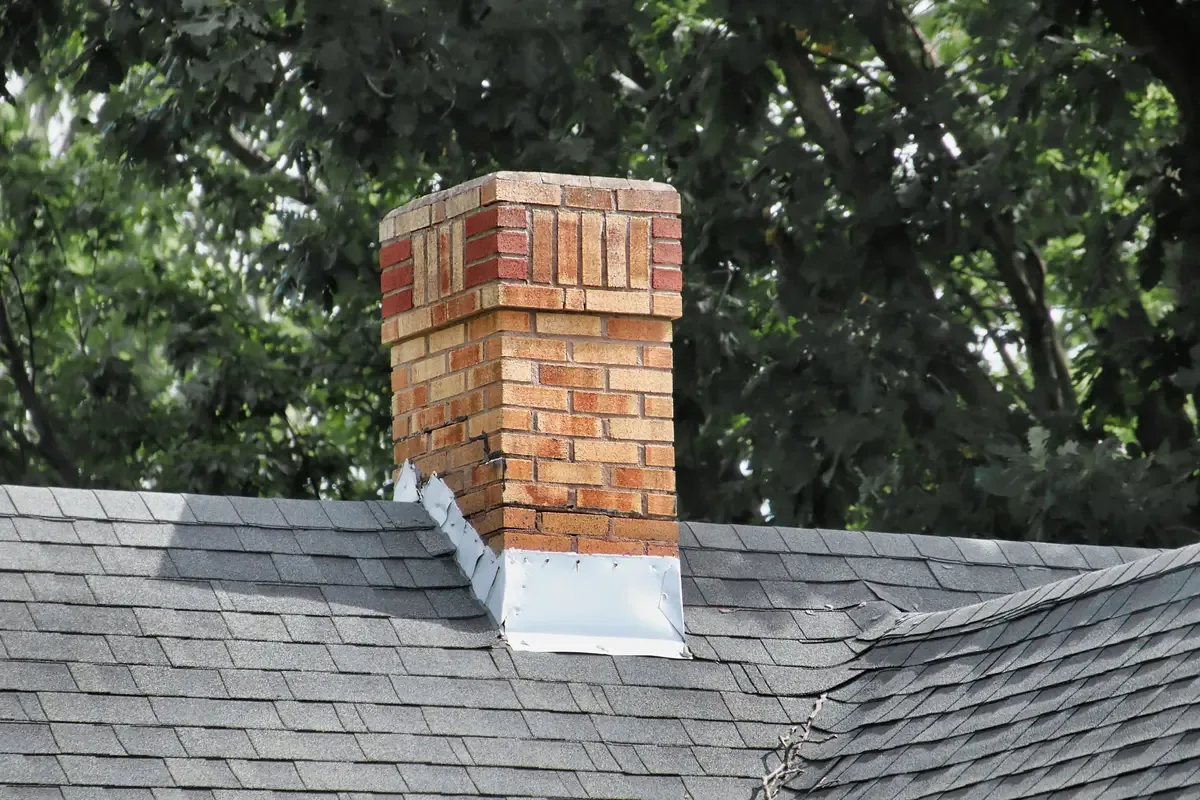
Chimney flashing repair cost in Minnesota for 2026, by job: resealing, counter flashing, partial and full reflashing and crickets, plus metal and code rules.
Read more →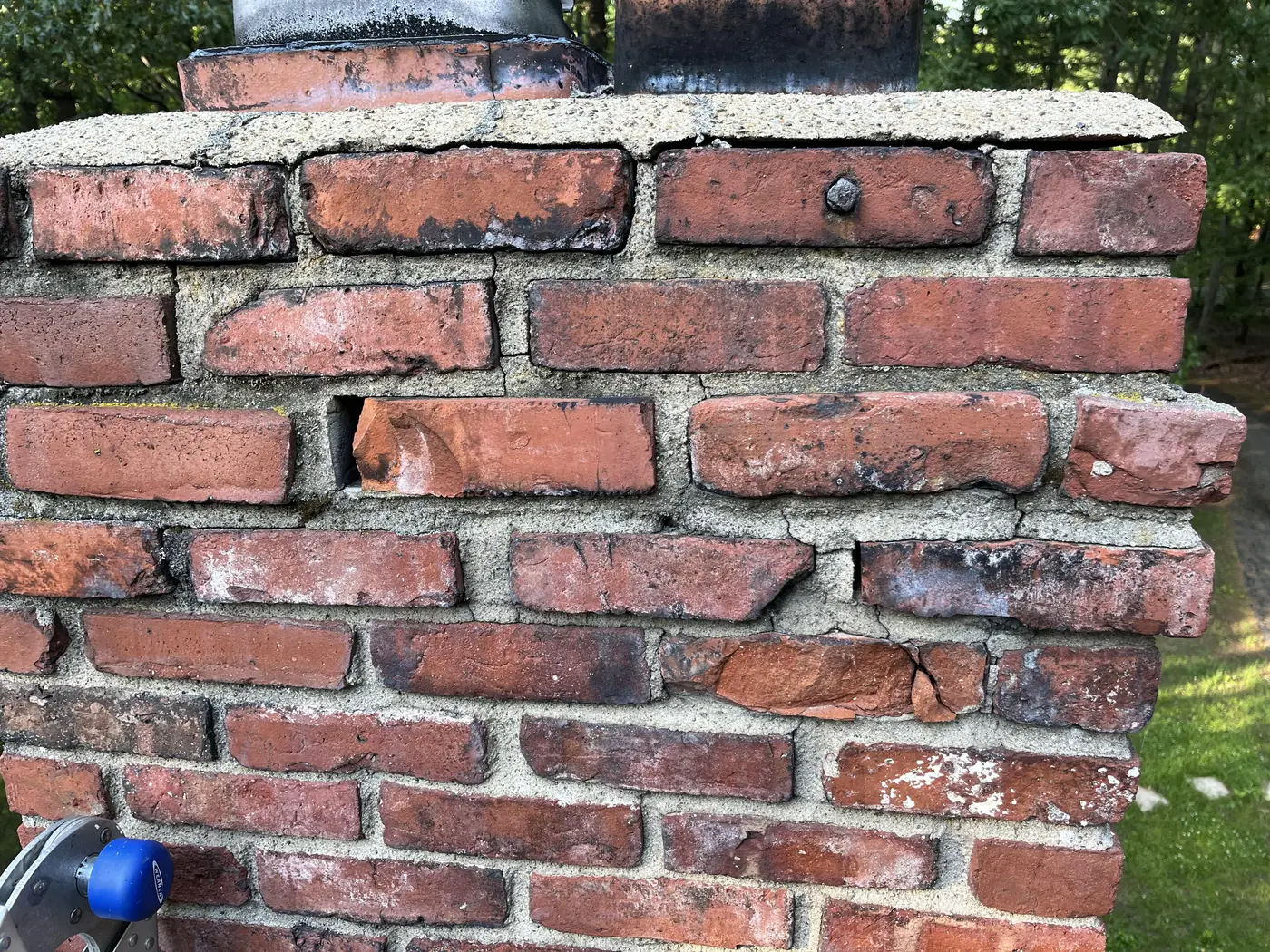
Chimney leak repair cost in Minnesota for 2026, sorted by where the water gets in: crown, cap, flashing, mortar joints, flue condensation and ice dams.
Read more →Chimney rebuilds, repairs and liners, tuckpointing, brick repair and full building restoration. Matched brick, matched mortar, proper crowns and full joints, because that is why masonry lasts.
Freeze-thaw is the enemy of every wall in this state. Crowns that shed, joints struck to drain, air-entrained concrete, drainage behind every wall: details chosen for this climate, not a milder one.
Every estimate is written, with the price, timeline and scope spelled out. On larger projects we separate the urgent repairs from the work that can wait, so owners and property managers can plan the budget.
From a single chimney to an occupied apartment building, church or school. Lifts and scaffolds, site protection and daily cleanup on every job, because the standard does not change with the address.
Have a chimney, wall, set of steps or driveway that needs work? Call or send the form and we will look at the site with you and give you a written quote.
Tell us about your project and we’ll get right back to you.